Authentic Bulgogi Recipe: Master the Sweet & Savory Marinade
Bulgogi (pronounced
bul-GOH-gee), often hailed as the crown jewel of Korean barbecue, translates literally to "fire meat." This beloved dish features thinly sliced beef, marinated in an exquisite sweet and savory sauce, then grilled to tender, juicy perfection. It's a culinary experience that's both comforting and incredibly flavorful, a hallmark of Korean cuisine enjoyed worldwide. While it might sound intimidating, creating restaurant-worthy bulgogi in your own kitchen is entirely achievable, and surprisingly straightforward. This comprehensive guide will walk you through every step, ensuring your homemade version is impossible to resist.
Understanding Bulgogi: The Essence of Korean BBQ
Bulgogi isn't just a meal; it's a tradition. With roots stretching back thousands of years, this iconic Korean dish has evolved, adapting to regional tastes and modern cooking techniques. What remains consistent is its irresistible appeal: the perfect harmony of flavors derived from a unique marinade. Imagine succulent slices of beef, caramelized slightly on the outside, bursting with a complex profile of umami, sweetness, and aromatic spices.
Beyond its delicious taste, bulgogi embodies a communal dining experience. Traditionally cooked over an open flame at the table, it encourages sharing and conversation. While modern interpretations vary, the core principle of marinated, grilled meat remains, making it a staple for family dinners, gatherings, and a fantastic introduction for anyone new to Korean flavors. Our focus here is on the most common and beloved preparation: the classic
beef bulgogi recipe that yields tender, juicy, and mildly smoky results.
Selecting the Perfect Cut of Beef for Your Bulgogi
The foundation of exceptional bulgogi lies in the quality and cut of your beef. Given the quick cooking time, choosing a tender cut with good marbling is paramount to achieving that melt-in-your-mouth texture.
While bulgogi can sometimes be made with pork or chicken, beef is the traditional and most popular choice. Here are some top recommendations for beef cuts, keeping in mind that naming conventions can vary by region:
*
Rib Eye (Scotch Fillet): This is a favorite among many bulgogi enthusiasts. Rib eye is known for its excellent marbling, which translates to rich flavor and incredible juiciness when cooked. While a bit more expensive than other options, its superior taste and texture are often worth the investment.
*
Flank Steak: A widely accessible and flavorful cut, flank steak is tender when sliced thinly against the grain. It holds up beautifully to the marinade and cooks quickly.
*
Skirt Steak: Similar to flank steak, skirt steak is thin, flavorful, and benefits greatly from marinating. It's an excellent choice for its robust beefy taste.
*
Hanger Steak: Often called the "butcher's cut," hanger steak is incredibly tender and flavorful. It's less common but makes for fantastic bulgogi.
*
Top Sirloin or Beef Tenderloin: These tender cuts are also suitable, though they might be pricier. Their lean nature means careful attention to cooking times to prevent drying out.
The key, regardless of the cut, is to ensure the beef is sliced *very thinly* – ideally 1/8 to 1/4 inch thick. This allows the marinade to penetrate deeply and ensures quick, even cooking. Many Korean grocery stores or butchers offer pre-sliced bulgogi meat, which is a convenient option if you're short on time or don't have a sharp knife and steady hand. If slicing yourself, partially freezing the meat for 30-45 minutes can make it much easier to achieve those paper-thin slices.
Crafting the Irresistible Bulgogi Marinade
The soul of any authentic bulgogi recipe resides in its marinade. This sweet and savory concoction is what transforms simple beef into a culinary masterpiece. The beauty of this marinade is its simplicity, often utilizing ingredients you already have in your pantry.
Here’s a breakdown of the essential components and their roles:
*
Soy Sauce: The cornerstone of the marinade, providing the fundamental savory, umami-rich base. Opt for a good quality soy sauce for the best flavor. If using low-sodium soy sauce, you might want to add a pinch of salt later, as suggested in the grilling stage.
*
Sugar: Crucial for balancing the savory soy sauce and helping the beef caramelize beautifully on the grill. White sugar is standard, but you can experiment with brown sugar for a slightly deeper molasses note, or even a touch of honey or grated Asian pear for natural sweetness and tenderizing enzymes.
*
Green Onion (Scallions) & Garlic: These aromatic powerhouses infuse the marinade with fresh, pungent flavors without overwhelming the other ingredients. Finely chopped green onion and minced garlic are key for an authentic taste.
*
Sesame Oil: A non-negotiable ingredient, good quality sesame oil adds a distinctive nutty aroma and deep, earthy flavor that defines Korean cuisine. Use toasted sesame oil for maximum impact.
*
Sesame Seeds: Toasted or untoasted, sesame seeds contribute a subtle nutty flavor and visual appeal, garnishing the finished dish.
*
Black Pepper: A touch of freshly ground black pepper rounds out the flavor profile, adding a hint of warmth and mild spice.
While some traditional recipes might include grated Asian pear or kiwi for natural tenderization and sweetness, this core ingredient list provides an incredibly flavorful and tender bulgogi on its own. The magic truly happens as these simple components meld together, permeating every fiber of the thinly sliced beef.
Mastering the Cooking Process: Grill to Perfection
Once your beef is perfectly marinated, it’s time for the "fire" in "fire meat." The grilling process is quick and dramatic, designed to sear the outside while keeping the inside juicy.
1.
Marinate the Steak: Place your thinly sliced beef in a shallow bowl or a large zip-top bag. In a separate bowl, whisk together all the marinade ingredients until well blended. Pour the marinade over the steak, ensuring every piece is thoroughly coated. Cover the bowl or seal the bag and refrigerate for at least 1 hour. For optimal flavor and tenderness, you can marinate the beef for up to 4-6 hours, or even overnight. However, do not over-marinate with fruit tenderizers (if using) as they can turn the meat mushy.
2.
Prepare Your Grill (or Pan): For an authentic smoky flavor, a grill is ideal. Preheat your grill to high heat and lightly oil the grates to prevent sticking. If you don't have an outdoor grill, a cast-iron skillet, a grill pan, or even a large non-stick pan on high heat will work wonderfully indoors. Ensure your cooking surface is screaming hot before adding the beef.
3.
Cook the Beef: Working in batches, place the marinated beef slices on the hot grill or pan in a single layer. Avoid overcrowding, as this will lower the temperature and steam the meat instead of searing it, preventing those delicious caramelized edges. Cook for only 1 to 2 minutes per side. The thinness of the meat means it cooks very quickly, charring beautifully and cooking through almost instantly. You're looking for slightly charred edges and a tender, juicy interior. For more in-depth techniques on achieving that perfect sizzle, explore tips on how to
Grill Perfect Bulgogi: Crafting "Fire Meat" Korean BBQ.
4.
Rest and Serve: Once cooked, transfer the bulgogi to a serving platter. It’s best enjoyed immediately, straight off the grill or pan.
Serving Suggestions and Enjoying Your Homemade Bulgogi
The beauty of homemade bulgogi is its versatility in serving. While utterly delicious on its own, it truly shines when presented with traditional Korean accompaniments, creating a balanced and delightful meal.
Here are some popular ways to enjoy your fantastic
beef bulgogi recipe:
*
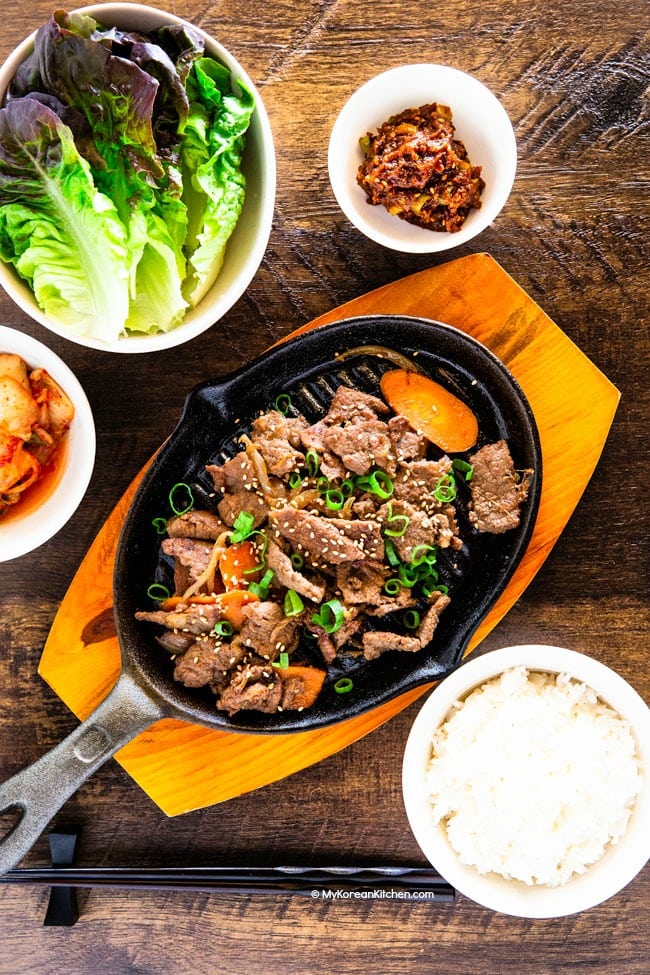
Lettuce Wraps (Ssam): This is arguably the most classic way to enjoy bulgogi. Provide fresh, crisp lettuce leaves (such as red leaf, green leaf, or perilla). Place a piece of bulgogi, a spoonful of rice, and a dab of gochujang (Korean hot pepper paste) or ssamjang (a spicy, savory dipping sauce) onto a lettuce leaf, wrap it up, and enjoy! The freshness of the lettuce perfectly complements the rich meat.
*
With Rice: Simply serving bulgogi over a bed of steaming white rice is a satisfying and comforting meal. The savory juices from the meat will seep into the rice, creating an extra layer of flavor.
*
Banchan Spread: Elevate your meal by serving bulgogi alongside a variety of Korean side dishes (banchan), such as kimchi, pickled radish, seasoned spinach, or bean sprouts. These additions provide contrasting textures and flavors that enhance the entire dining experience.
*
As a Topping: Use leftover bulgogi as a flavorful topping for bibimbap (mixed rice bowl), a filling for kimbap (Korean rice rolls), or even as a unique sandwich or taco filling.
Mastering this authentic
beef bulgogi recipe means unlocking a world of incredible flavors right in your own kitchen. It's a dish that impresses with its depth, yet delights with its approachable preparation. If you're eager to recreate that distinct restaurant-quality Korean BBQ experience at home, remember that
Easy Beef Bulgogi: Restaurant-Quality Korean BBQ at Home is always within reach.
Conclusion
There's a special satisfaction in bringing the vibrant flavors of Korean cuisine into your home, and an authentic bulgogi recipe is the perfect place to start. From selecting the ideal cut of beef to artfully crafting the sweet and savory marinade and expertly grilling each tender slice, every step contributes to an unforgettable culinary journey. This comprehensive guide provides you with all the knowledge and tips you need to prepare a mouthwatering beef bulgogi that will impress your family and friends. So gather your ingredients, fire up the grill, and prepare to savor the incredible taste of truly authentic "fire meat."