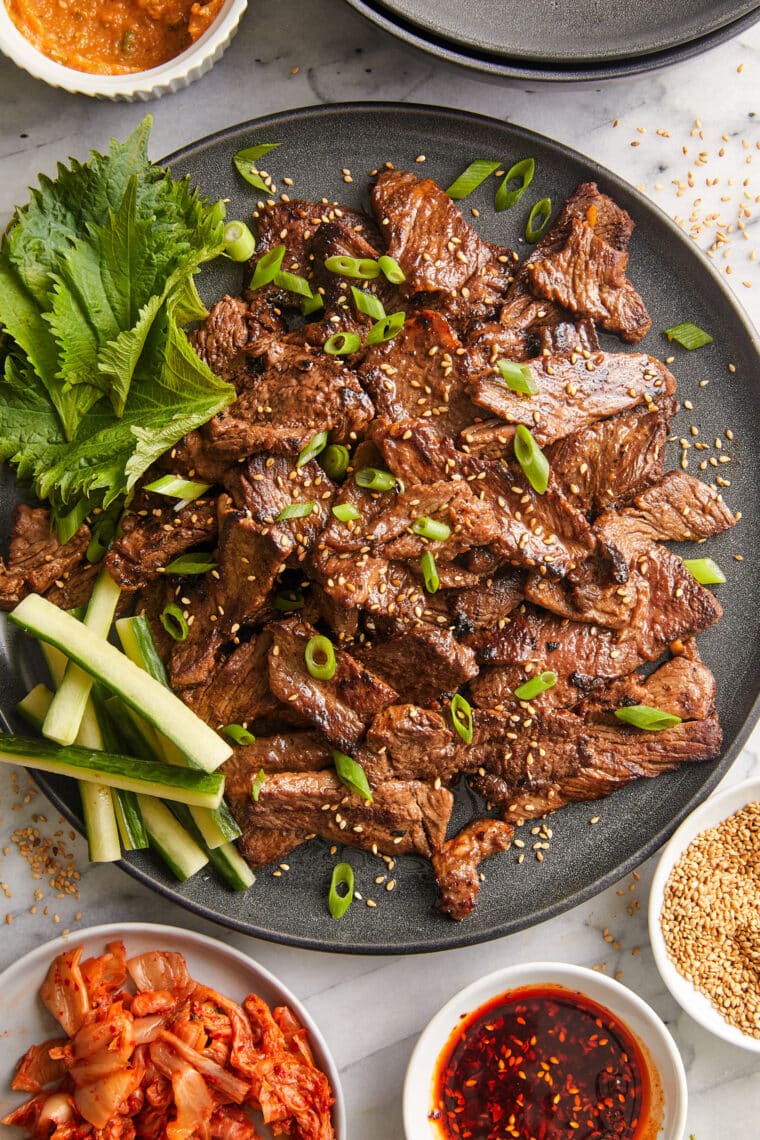
Imagine the sizzling sound, the sweet and savory aroma filling your kitchen, and the tender, thinly sliced beef melting in your mouth. You don't need a plane ticket to Seoul or a reservation at a fancy Korean BBQ joint to experience this culinary delight. With our comprehensive guide, you're about to unlock the secrets to creating truly restaurant-quality beef bulgogi recipe right in the comfort of your home.
Bulgogi (pronounced bul-GOH-gee), often affectionately known as Korean BBQ beef, is a dish that transcends mere sustenance; it's an experience. At its heart, it's about perfectly grilled, thinly sliced steak, lavishly coated in a harmonious marinade of sweet soy, aromatic sesame, and pungent garlic. This isn't just a meal; it's a journey into the heart of Korean flavors, and we promise you, it's easier to master than you think.
What Makes Bulgogi So Irresistible? (Understanding "Fire Meat")
The name "Bulgogi" literally translates to "fire meat" (불고기), a testament to its traditional preparation over an open flame or grill. While the concept of grilling meat has existed for millennia, the modern beef bulgogi we adore today has evolved over centuries, incorporating diverse regional influences and culinary innovations. What remains constant, however, is its universally appealing profile: a captivating balance of savory, sweet, and umami, with a hint of smokiness that's simply addictive.
The magic lies in the marinade. Unlike many other grilled dishes that rely on simple rubs or quick glazes, bulgogi’s signature taste comes from a deeply flavorful liquid concoction that tenderizes the meat while infusing it with layers of taste. This isn't a dish that overpowers; instead, it's a symphony of subtle notes that work together to create an unforgettable bite. When served in crisp lettuce cups with a dollop of spicy gochujang and a side of fluffy rice, it transforms into an interactive, satisfying meal that's perfect for sharing with family and friends. This beef bulgogi recipe is designed to give you that authentic, melt-in-your-mouth experience every single time.
Crafting Your Perfect Beef Bulgogi Marinade
The marinade is the soul of any great bulgogi. It’s what transforms simple slices of beef into succulent, flavorful masterpieces. The good news is, most of the ingredients you'll need are likely already in your pantry!
The Foundation: Selecting Your Beef Cut
Choosing the right cut of beef is paramount for achieving that signature tender texture. While the reference context highlights flank steak for its tenderness and flavor, and suggests skirt steak or hanger steak as alternatives, let's dive a little deeper into optimizing your choice:
- Flank Steak: A lean, flavorful cut that becomes incredibly tender when sliced thinly against the grain. It's an excellent choice for a budget-friendly yet delicious bulgogi.
- Skirt Steak: Similar to flank, known for absorbing marinades well and cooking quickly. Can be slightly tougher if not sliced correctly.
- Hanger Steak: Often called the "butcher's cut," it's prized for its rich, beefy flavor and tenderness, making it a fantastic, albeit sometimes pricier, option.
- Rib Eye (Scotch Fillet): As hinted in our context, many Korean chefs and home cooks swear by rib eye. Its superior marbling ensures a juicy, intensely flavorful, and exceptionally tender result, especially when grilled. While a bit more expensive, it truly elevates the dish to gourmet levels.
- Top Sirloin or Beef Tenderloin: These cuts are also excellent for their tenderness, though they might lack the marbling of a rib eye.
Expert Tip: Regardless of the cut, the key is thin slicing. If you’re not buying pre-sliced bulgogi meat from a Korean grocer, partially freezing your steak for about 30-60 minutes before slicing will make it much easier to cut uniformly thin pieces (about 1/8 to 1/4 inch thick) against the grain. This technique ensures maximum tenderness after cooking.
The Sweet & Savory Symphony: Key Marinade Ingredients
Our foundational beef bulgogi recipe relies on just eight core ingredients, but we can enhance it further for an even more complex flavor profile:
- Soy Sauce: This is the backbone of the marinade, providing the essential salty, umami-rich depth. Use a good quality regular or low-sodium soy sauce.
- Sugar: White sugar is traditionally used to balance the savory notes, contributing that signature sweetness. You can also experiment with brown sugar or honey for a slightly different caramelized flavor.
- Green Onion & Garlic: Chopped green onion (scallions) and minced fresh garlic are non-negotiables. They infuse the marinade with aromatic freshness without overpowering the beef. Don't skimp on the garlic!
- Sesame Seeds: Toasted sesame seeds add a nutty crunch and visual appeal. You can toast them yourself in a dry pan for a few minutes until fragrant.
- Sesame Oil: Use high-quality toasted sesame oil. Its distinctive nutty aroma and flavor are crucial for an authentic bulgogi taste. Add it towards the end of mixing the marinade to preserve its delicate flavor.
- Black Pepper: A dash of freshly ground black pepper rounds out the flavors. If using low-sodium soy sauce, a tiny pinch of salt can be added to taste.
- Optional Enhancements for an "Authentic Bulgogi Recipe":
- Grated Pear or Apple: A secret weapon for many Korean marinades! The enzymes in fruits like Asian pear or Fuji apple naturally tenderize the meat and add a subtle, natural sweetness and depth of flavor. Blend a quarter of a small pear or apple into a puree and add to the marinade.
- Ginger: A small amount of grated fresh ginger adds a warm, zesty note that complements the other aromatics.
- Mirin or Rice Wine: A splash of mirin (sweet cooking rice wine) or sake can add another layer of sweetness and umami, along with helping to tenderize the meat.
Preparation Tip: Whisk all marinade ingredients in a separate bowl until well blended before pouring it over your thinly sliced steak. Ensure every piece of meat is thoroughly coated for maximum flavor absorption.
The Art of Grilling (or Pan-Frying) Your Bulgogi
Once your beef has soaked up all that glorious flavor, it's time for the cooking. This is where the "fire meat" truly comes to life.
Marination Magic: Time is Your Friend
After coating your beef, cover the bowl and allow it to marinate in the refrigerator. While an hour is the minimum suggested time to infuse flavor, for truly melt-in-your-mouth tenderness and deeper flavor, aim for at least 2-4 hours. Some enthusiasts even marinate overnight (up to 12-24 hours) for the ultimate experience, especially when using a tougher cut that benefits from the tenderizing agents in the marinade.
Cooking Techniques for Juicy Results
Whether you have an outdoor grill or just a stovetop, you can achieve fantastic bulgogi:
- Grilling (Traditional Method): This is the preferred method for that authentic smoky char. Heat your outdoor grill or indoor Korean BBQ grill pan to high heat, then lightly oil the grates. Cook the marinated beef in a single layer for just 1 to 2 minutes per side until beautifully charred and cooked through. Because the meat is so thin, it cooks incredibly fast. The high heat sears the exterior, locking in juices and creating those coveted caramelized edges.
- Pan-Frying (Stovetop Method): No grill? No problem! A cast-iron skillet or heavy-bottomed frying pan works wonderfully. Heat your pan over medium-high to high heat with a tablespoon of cooking oil. Cook the bulgogi in batches to avoid overcrowding the pan, which would steam the meat instead of searing it. Cook for 2-3 minutes per side until browned and cooked through. Transfer cooked batches to a plate and keep warm while you finish the rest.
Grilling and Pan-Frying Tip: Do not overcrowd your cooking surface! This is crucial for achieving a proper sear and preventing the meat from steaming. Work in batches if necessary, allowing sufficient space between the pieces of beef. Remove the beef from the heat as soon as it's cooked to your liking – overcooking can make it tough.
Serving Suggestions: Elevating Your Home Korean BBQ Experience
Your perfectly cooked bulgogi is ready, but the experience isn't complete without the traditional accompaniments that make Korean BBQ so special:
- Lettuce Wraps (Ssam): The most classic way to enjoy bulgogi. Provide crisp lettuce leaves (red leaf, green leaf, or perilla leaves are great choices). Fill a leaf with a spoonful of rice, a piece or two of bulgogi, a dab of gochujang (Korean hot pepper paste) or ssamjang (a flavorful, spicy dipping sauce), and perhaps a slice of raw garlic or jalapeño. Wrap it up and enjoy!
- Steamed Rice: A must-have side. The fluffy white rice perfectly complements the rich flavors of the bulgogi and helps to balance the meal.
- Banchan (Korean Side Dishes): Elevate your meal with an array of banchan. Kimchi is the most famous, but also consider pickled radish, seasoned bean sprouts, or spinach for a truly authentic spread.
- Creative Twists: Leftover bulgogi (if there is any!) is fantastic in a bibimbap bowl, mixed into fried rice, or even as a topping for instant ramen for a quick, flavorful meal.
Don't forget a refreshing beverage like soju or makgeolli to complete your Korean BBQ feast!
Conclusion
From understanding its "fire meat" origins to mastering the perfect marinade and grilling techniques, you now possess all the knowledge to create an unforgettable beef bulgogi experience at home. This authentic bulgogi recipe isn't just about cooking; it's about bringing the vibrant flavors and communal spirit of Korean cuisine into your own kitchen. So gather your ingredients, fire up your grill (or pan), and get ready to impress your taste buds and loved ones with a dish that's truly restaurant-quality. Happy cooking, and prepare for endless compliments on your incredible Korean BBQ!
